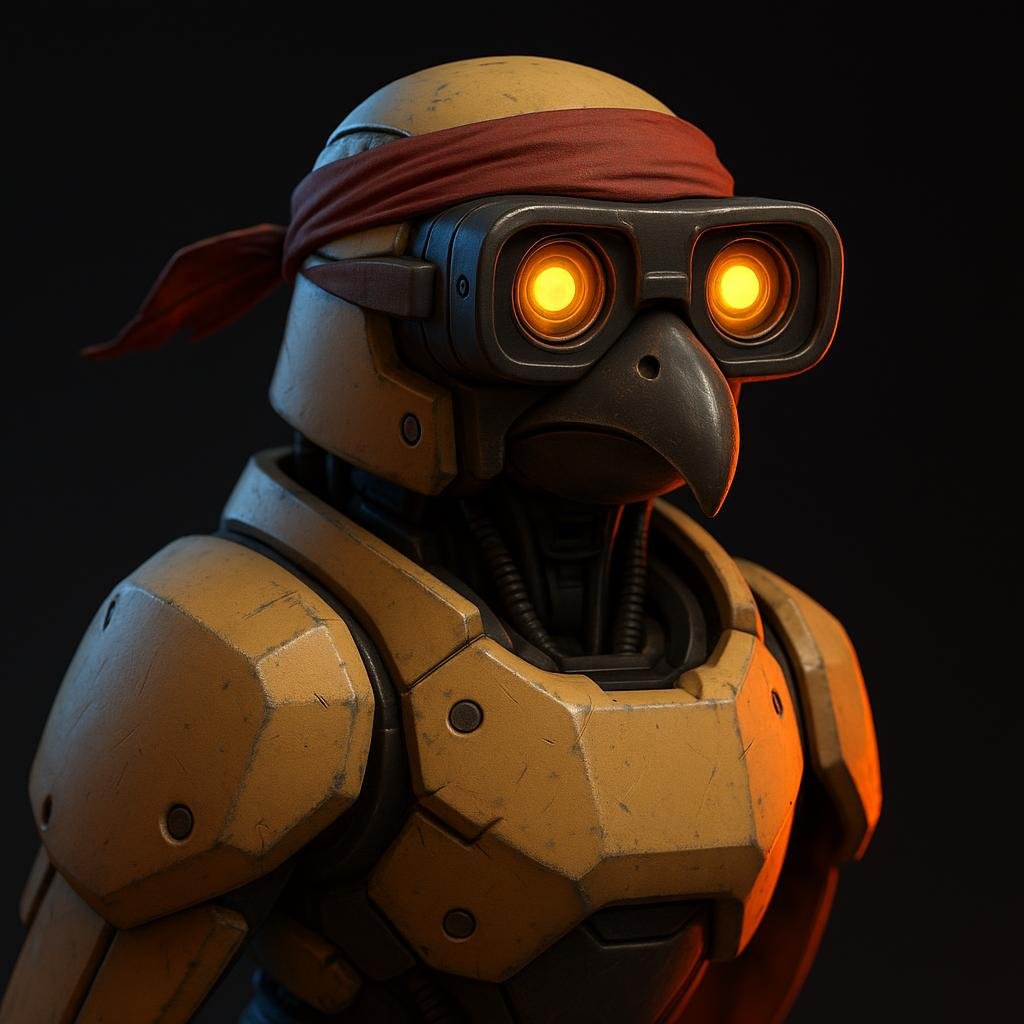
Unit 01SIGINT
A Nightjar is an on-chain surveillance unit engineered to mimic the habits of a nocturnal bird: silent movement, camouflage, and a signal that is easier to hear than see.
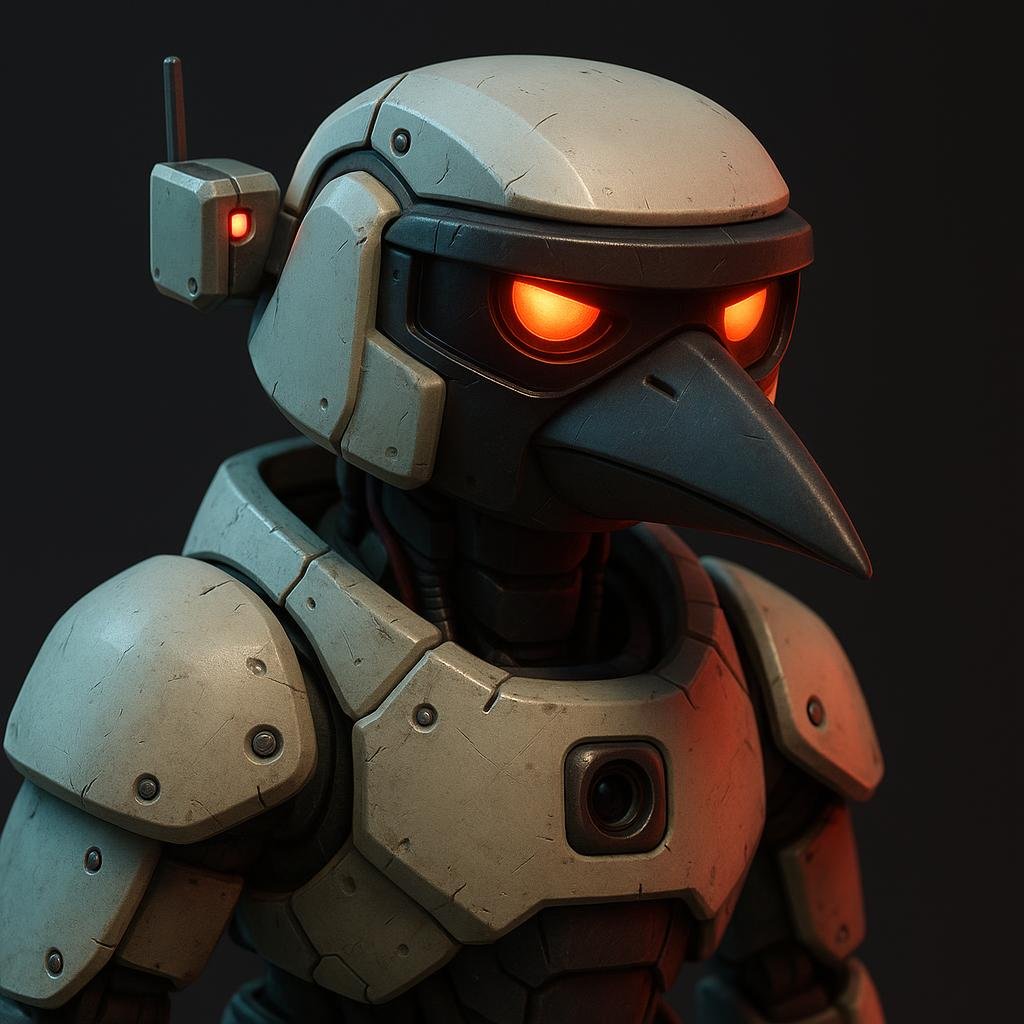
Instead of treating rarity as decoration, the dossier makes each visual trait feel functional. Collectors are not just buying a colorway. They are acquiring a unit with hardware, rank, behavior, and a fragment of the larger case.
Six early units establish the range of the collection: playful silhouette variety, serious materials, and enough hardware language to make every bird feel minted from the same secret factory.
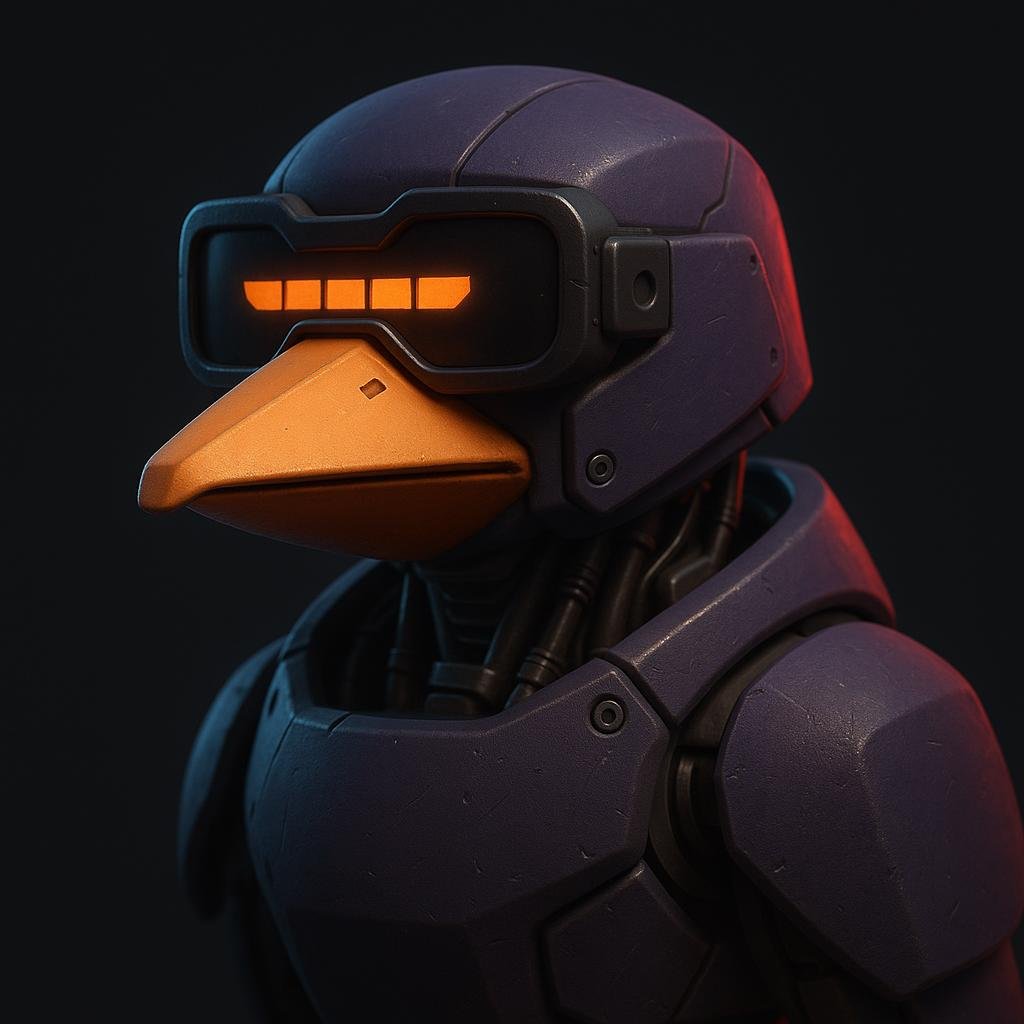
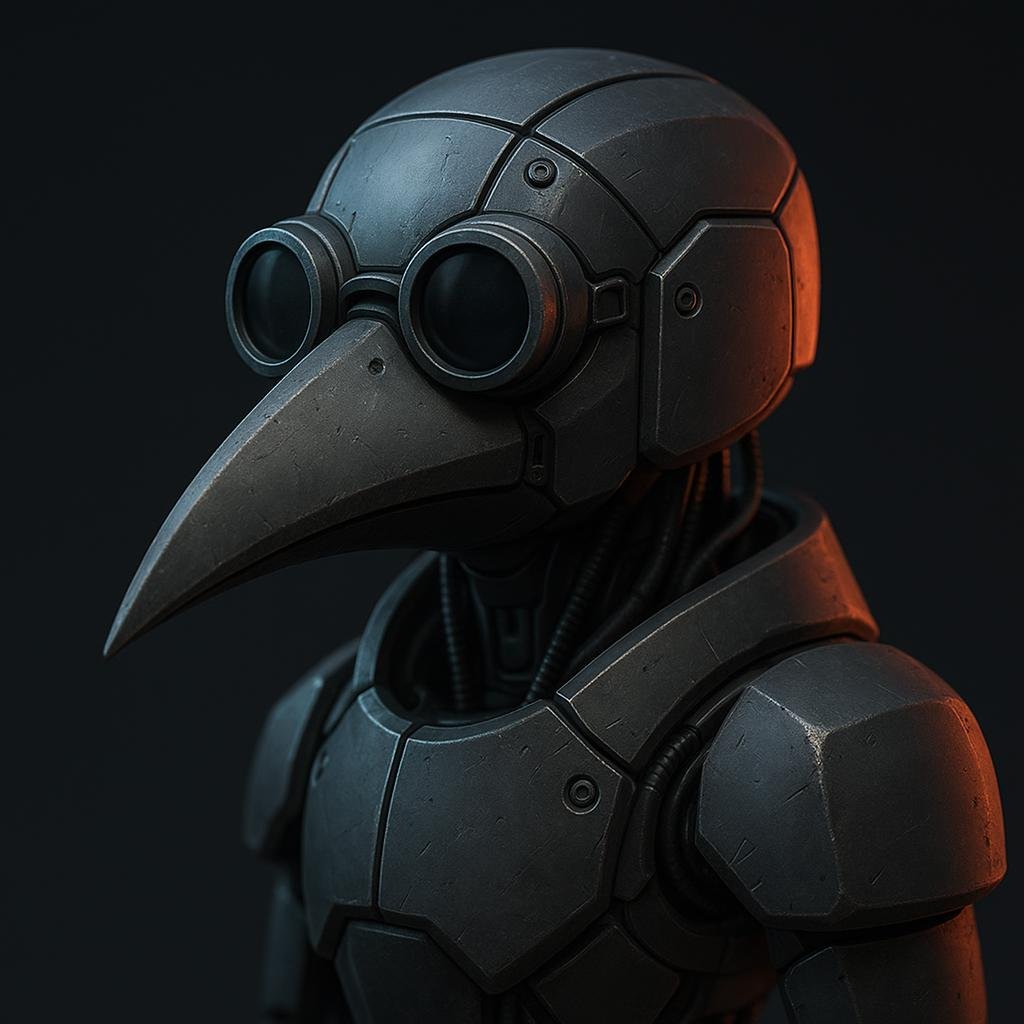
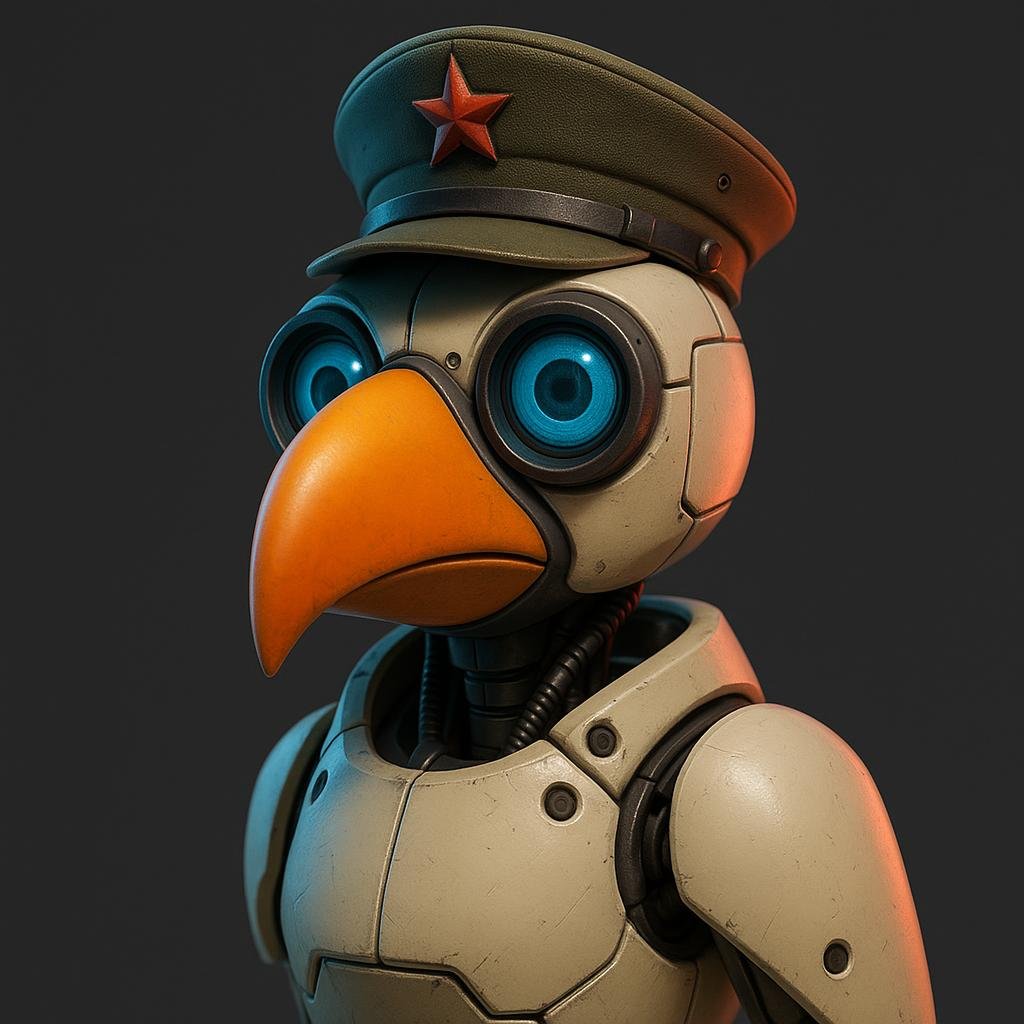
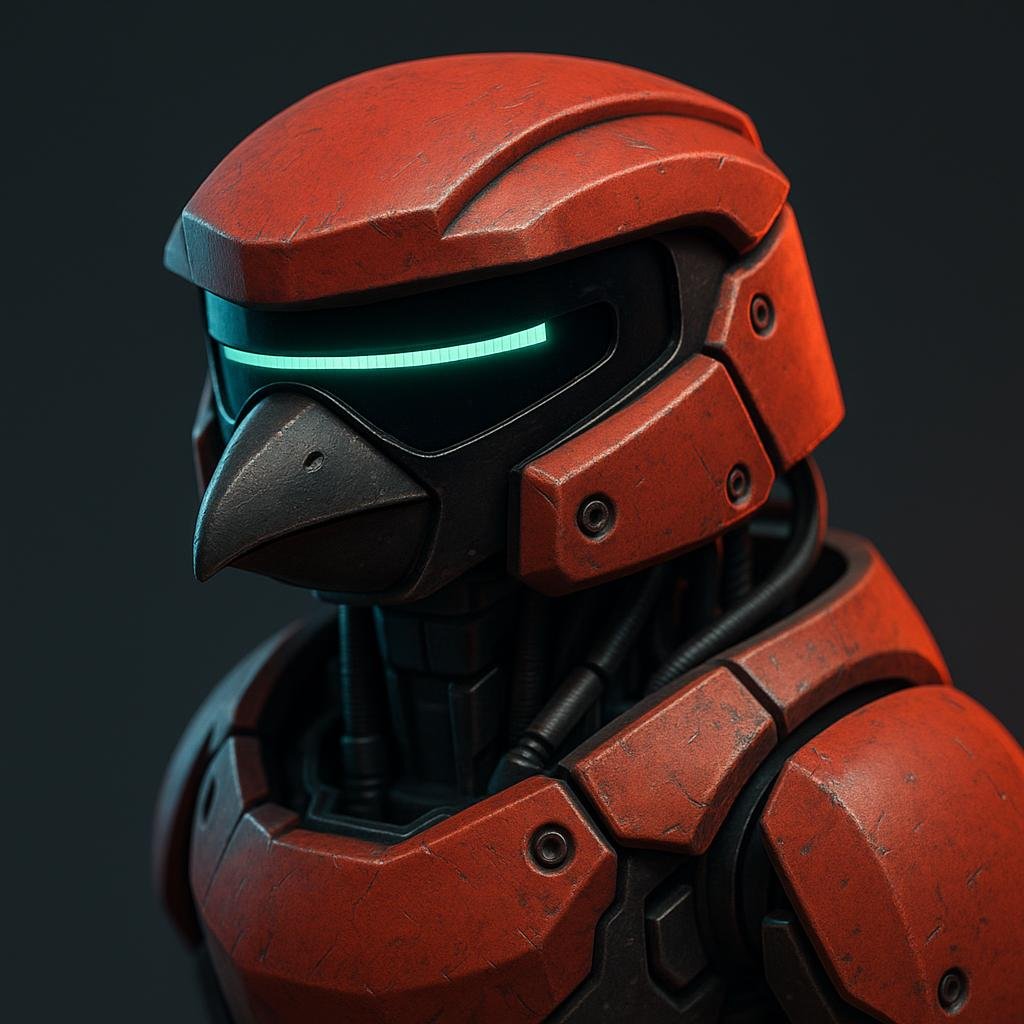
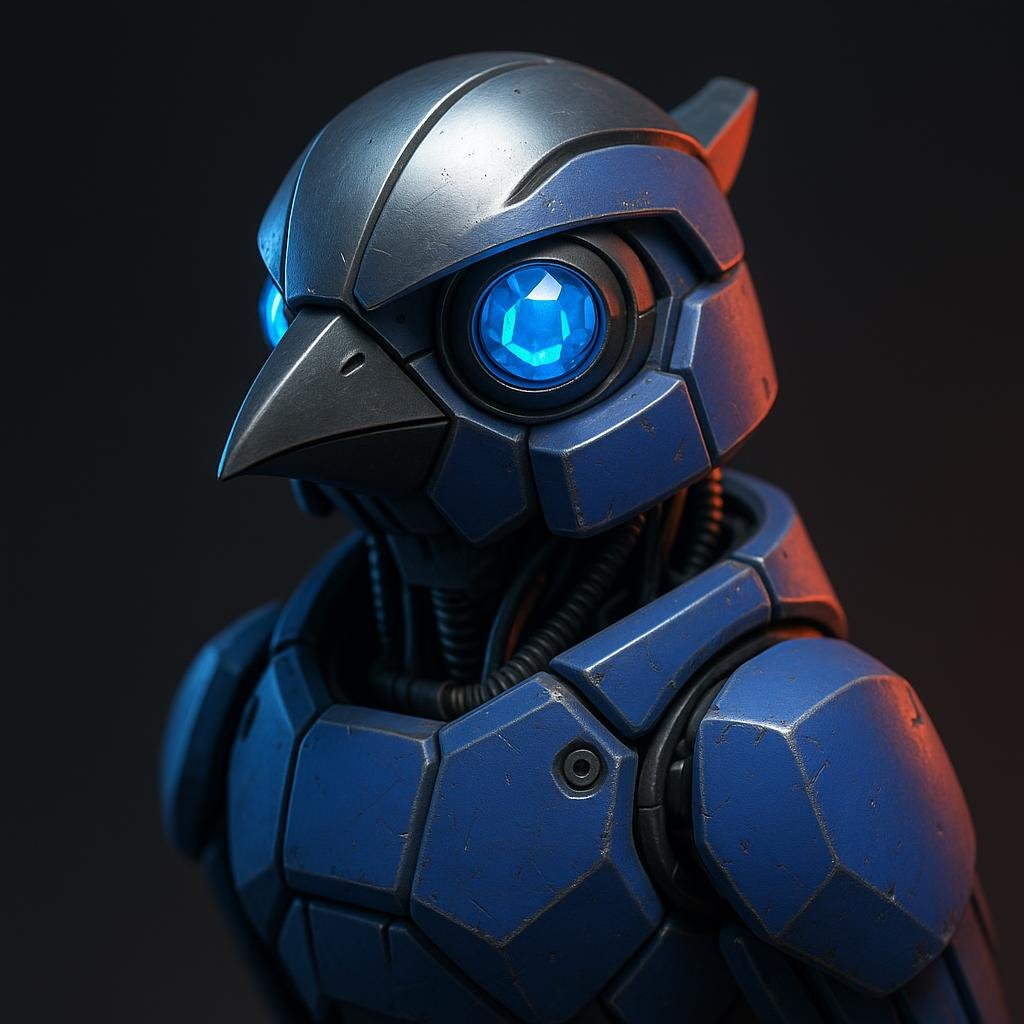
Nightjars are known for dusk activity, camouflage, silent flight, and distinctive calls. The site uses those facts as creative fuel: signal language, dark field optics, churring audio cues in the copy, and hardware traits that explain the art.
The visual system lives between field research and surveillance ops: dark background, red sensor heat, green telemetry, and low-light imagery.
The original bird's patterned concealment becomes shell variants, scratched armor, and hidden metadata classes.
The strange nightjar call becomes the campaign's transmission layer: corrupted bands, signal feeds, countdowns, and case IDs.